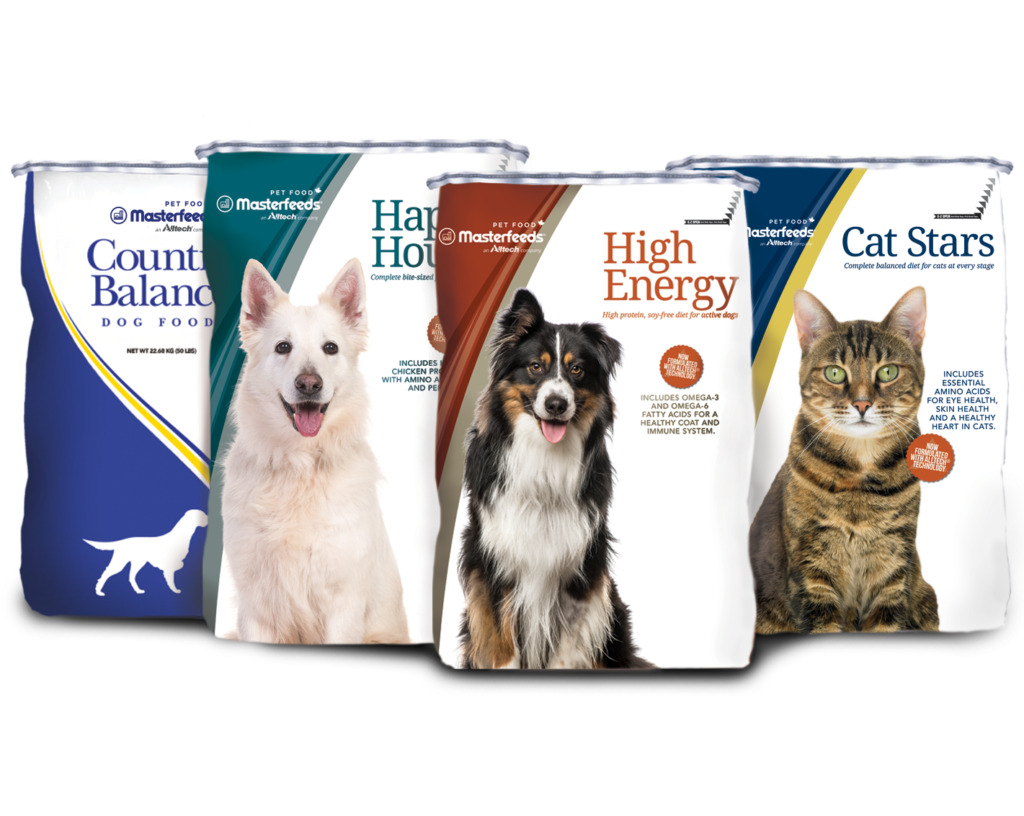
Providing dogs and cats with proper nutrition is a 無穀物狗糧 key component of responsible pet ownership. These animals depend on humans for their dietary needs, and feeding them the right food is critical for their growth, energy, immune function, and longevity. While dogs are omnivores and can thrive on a balanced diet of meat, grains, and vegetables, cats are obligate carnivores, requiring a diet rich in animal protein and specific nutrients like taurine, which is not found in plant-based ingredients. Understanding the unique nutritional needs of both species is essential for maintaining their overall well-being and preventing common health issues.
The pet food industry offers a wide variety of products tailored to different life stages, sizes, and health conditions. Dry kibble is a popular choice due to its affordability, ease of storage, and potential dental benefits. Wet food, with its higher moisture content, is often preferred for cats or dogs that need additional hydration. Other options include freeze-dried, raw, and home-cooked meals. Each type of food comes with its own benefits and considerations. Raw and homemade diets, for example, can offer fresh ingredients but require careful formulation to ensure nutritional balance. Regardless of the type chosen, consistency and quality are vital to a pet’s health.
Reading and interpreting pet food labels is a crucial skill for any pet owner. Quality foods list a specific source of protein, such as chicken, lamb, or fish, as the first ingredient. Avoiding products with vague terms like “meat by-products” or artificial preservatives is a good practice. The nutritional adequacy statement on the label, often indicating whether the food meets standards set by organizations like AAFCO, helps ensure the diet is balanced. Puppies, kittens, adults, and senior pets all have different nutritional requirements, and feeding them a life stage-appropriate diet ensures they get the right amount of protein, fats, vitamins, and minerals.
Feeding habits also influence a pet’s overall health. Overfeeding can lead to obesity, which increases the risk of diabetes, joint problems, and heart disease. Measuring food portions accurately based on weight, activity level, and age is essential. Feeding should be done at consistent times each day, and treats should be given sparingly. Access to clean, fresh water at all times is equally important, especially for pets on dry food diets. Observing a pet’s appetite, energy levels, and coat condition can also offer clues about their health and whether dietary adjustments may be needed.
In recent years, trends in pet food have shifted toward natural, grain-free, and organic options. While these alternatives may benefit some pets, they are not inherently superior for all animals. Grain-free diets, for example, have faced scrutiny after potential links to heart issues in dogs. It’s important not to rely solely on marketing claims but to seek guidance from veterinarians or pet nutritionists when considering dietary changes. Pets with allergies, digestive issues, or chronic conditions may require specially formulated diets, and these should always be introduced gradually and under professional supervision.
Ultimately, choosing the right food for dogs and cats is about more than preference—it’s about promoting a healthy, active, and comfortable life for beloved companions. With so many products available, pet owners have the ability to provide meals that are not only nutritious but also enjoyable. Monitoring a pet’s health and staying informed about new research and recommendations can help owners make better decisions. A well-fed dog or cat is more likely to enjoy a longer, happier life, free from many preventable ailments. Ensuring high-quality nutrition is one of the greatest gifts an owner can offer to their loyal, loving pets.