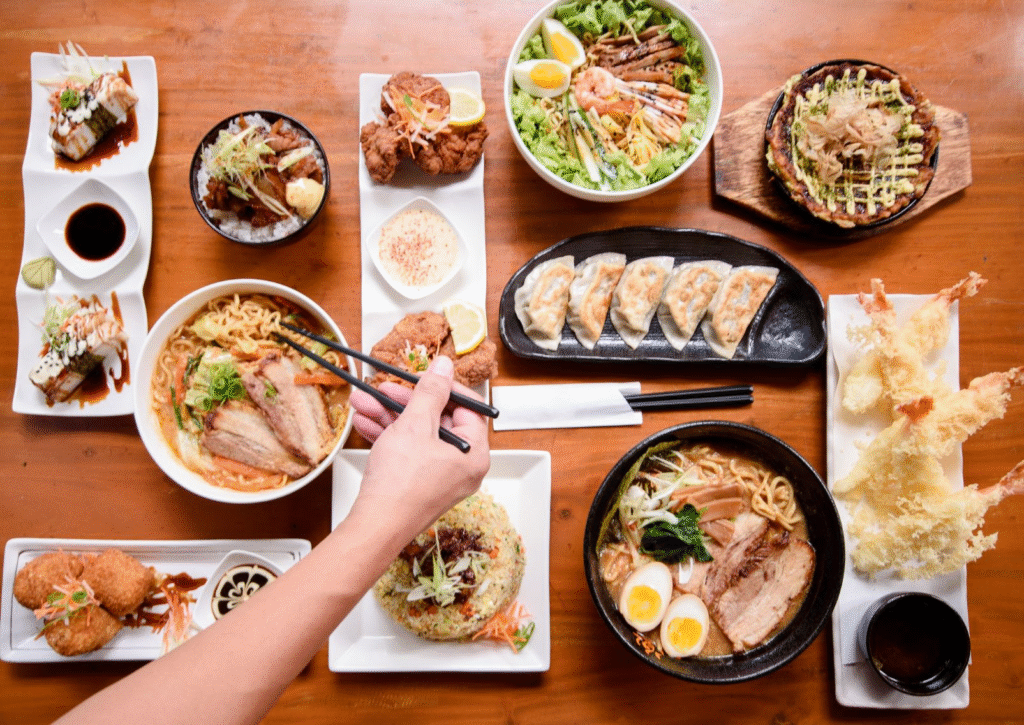
Japanese food is celebrated around the world for its delicate flavors, artistic presentation, and deep cultural roots. It is a cuisine that emphasizes freshness, seasonality, and simplicity, reflecting Japan’s connection to nature and its philosophy of balance and harmony. Whether it is the refinement of a traditional kaiseki meal, the heartiness of a bowl of ramen, or the elegance of sushi, Japanese food offers an experience that is both satisfying and soul 日本食品 -nourishing. Every dish is carefully crafted to appeal to the senses, not just in taste, but also in appearance, aroma, and texture, making it a culinary art form revered globally.
At the core of Japanese cuisine is rice, which has been a staple for centuries and is considered sacred in Japanese culture. It is often served plain, allowing its natural flavor to complement other dishes. Alongside rice, ingredients such as soy sauce, miso, seaweed, tofu, and fish form the foundation of many traditional recipes. Japanese food relies more on natural seasoning and less on heavy spices, giving way to a light yet savory flavor profile. Techniques like grilling, simmering, steaming, and raw preparations are favored, preserving the ingredients’ purity. This minimalistic approach enhances the quality and taste of each component.
One of the most iconic elements of Japanese food is sushi, which has transcended cultural boundaries to become a global favorite. Sushi showcases vinegared rice paired with fresh seafood, vegetables, or egg, often wrapped in seaweed or served as bite-sized portions. There are many types of sushi, including nigiri, maki, and sashimi, each requiring skill and precision. Another popular dish is sashimi, which consists of thinly sliced raw fish served with soy sauce and wasabi. Sushi chefs undergo years of rigorous training to master their craft, reflecting the discipline and respect for food that are central to Japanese culinary tradition.
Japanese cuisine also includes a variety of comforting and casual dishes that have gained international recognition. Ramen, a hearty noodle soup, comes in many regional styles with different broths such as shoyu (soy sauce), miso, and tonkotsu (pork bone). Tempura, lightly battered and deep-fried seafood or vegetables, offers a crispy texture without feeling overly greasy. Okonomiyaki, a savory pancake filled with ingredients like cabbage, meat, and seafood, is another beloved street food. Bento boxes, which contain a balanced meal of rice, protein, and vegetables, are a popular choice for lunch and reflect the japanese value of nutritional balance and portion control.
Seasonality is a cornerstone of Japanese cooking, and many dishes are prepared to highlight seasonal ingredients. This practice, known as “shun, ” ensures that the food is fresh and at its peak flavor. Spring might bring dishes featuring bamboo shoots or cherry blossoms, while autumn is celebrated with chestnuts and mushrooms. Traditional meals like kaiseki dining exemplify this philosophy, offering multi-course meals that change with the seasons and are presented with elegance and care. Festivals and ceremonies also feature special foods, linking culinary practices to cultural rituals and honoring the passing of time through taste.
In recent years, Japanese food has grown in popularity worldwide not only for its flavor but also for its health benefits. It is often low in fat, high in nutrients, and rich in umami, the savory fifth taste. The japanese diet has been associated with longevity and lower rates of obesity and heart disease. As a result, more people around the world are embracing Japanese food as part of a healthy lifestyle. Whether enjoyed at a traditional ryokan in Kyoto or a sushi bar in New york, Japanese cuisine continues to enchant food lovers with its elegance, depth, and profound respect for nature and nourishment.