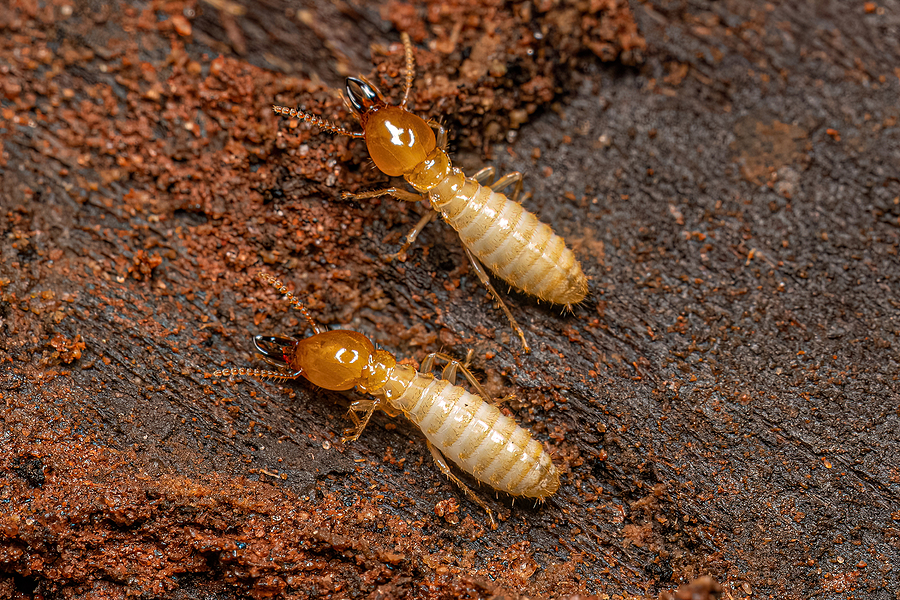
Termites are among the most destructive pests that can invade a home or property, causing billions of dollars in structural damage worldwide each year. Despite their small size, termites work in large colonies and can go undetected for months or even years, 消滅白蟻 silently eating away at wood, drywall, paper, and other cellulose-based materials. There are several species of termites, with the most common being subterranean, drywood, and dampwood termites. Each species thrives in different conditions, but all share a voracious appetite for wood, making them a significant threat to buildings and wooden structures across the globe.
The biology and behavior of termites are fascinating but also contribute to their effectiveness as pests. Termite colonies are typically composed of a king, queen, soldiers, workers, and winged reproductives called alates. The workers are responsible for foraging and feeding the colony, and they are the ones that do the most damage to structures. Soldiers defend the colony from predators, while the reproductive caste ensures the growth of the colony. The queen can live for more than a decade and produce thousands of eggs annually, which means a single infestation can grow rapidly if not identified and treated early.
Detecting a termite infestation can be difficult because they often remain hidden behind walls, under floors, and inside foundations. Common signs include hollow-sounding wood, discarded wings near windows or doors, mud tubes along walls or foundations, and small piles of frass (termite droppings). Unfortunately, by the time these signs appear, significant damage may have already occurred. Regular inspections by pest control professionals are essential, especially in areas prone to termite activity. Preventative measures such as keeping wood and debris away from the foundation, maintaining proper drainage, and sealing cracks can help reduce the risk of infestation.
Treatment for termites depends on the extent and type of infestation. Chemical barriers and baiting systems are commonly used to eliminate subterranean termites, while fumigation may be necessary for drywood termites. Non-chemical treatments, such as heat or cold treatments, are sometimes used in sensitive environments. It is crucial to use licensed and experienced pest control professionals to ensure that the infestation is completely eradicated and to prevent future outbreaks. In addition to treatment, some homeowners opt for regular maintenance plans to keep their property protected year-round, particularly in regions where termites are a persistent problem.
Beyond their reputation as pests, termites do play a role in the natural ecosystem. In forests and grasslands, termites help break down dead trees and plant material, returning nutrients to the soil and supporting plant growth. They are also a food source for many animals, including birds, reptiles, and some mammals. However, when their natural habitat overlaps with human development, their beneficial role turns into a destructive one. Urban expansion and deforestation often drive termites closer to residential areas, increasing the likelihood of infestations and structural damage.
Living with the threat of termites requires awareness, vigilance, and proactive prevention. Homeowners should familiarize themselves with the signs of termite activity and schedule routine inspections with pest management experts. Early detection can save thousands of dollars in repairs and help preserve the integrity of homes and buildings. As science and pest control technology advance, more eco-friendly and effective termite control methods are becoming available. Still, the key to dealing with termites is understanding their habits, staying informed, and taking action before a small problem becomes a costly disaster.