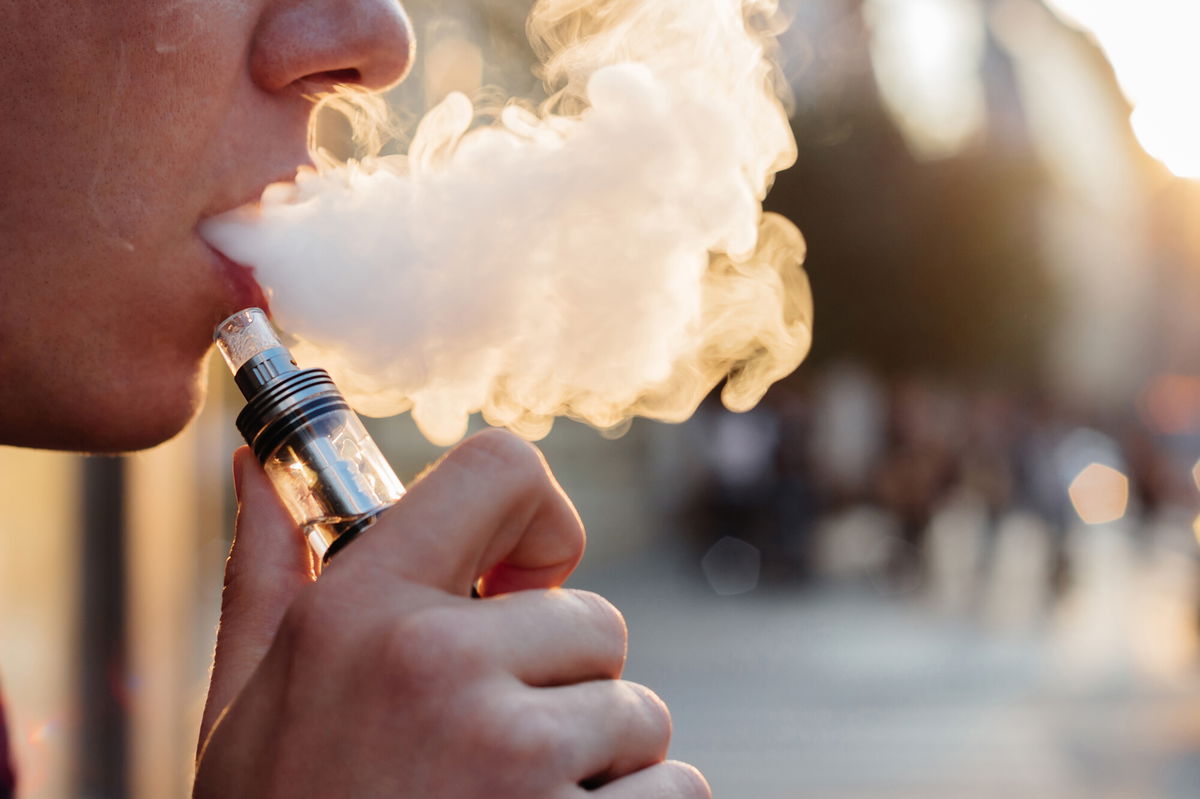
Vaping has become a significant topic of discussion and debate over the past decade. Originating as a supposedly safer alternative to traditional smoking, the use of e-cigarettes has surged, particularly among younger demographics. Vaping devices, often sleek and portable, allow users to inhale vaporized liquid, which typically contains nicotine Lost Mary MO20000 Pro, flavorings, and other chemicals. The initial appeal of vaping was largely based on the perception that it could help smokers quit traditional cigarettes, thus reducing the harmful effects associated with tobacco smoke. However, the reality of vaping’s health impacts has proven to be more complex.
One of the primary concerns regarding vaping is its potential health risks. While it is generally agreed that vaping is less harmful than smoking combustible cigarettes, it is not without dangers. The aerosol produced by e-cigarettes contains numerous harmful substances, including nicotine, which is highly addictive. Nicotine exposure during adolescence can harm brain development, leading to long-term cognitive and behavioral impairments. Additionally, some vaping liquids contain other toxic substances and heavy metals like lead, which can be inhaled into the lungs. There have also been reports of severe lung injuries associated with vaping, known as EVALI (E-cigarette or Vaping product use-Associated Lung Injury), which have raised significant public health concerns.
The rise of vaping among teenagers and young adults has been particularly alarming. E-cigarettes are often marketed with enticing flavors such as fruit, candy, and dessert, which appeal to younger individuals. This marketing strategy, combined with the misconception that vaping is harmless, has led to a dramatic increase in use among adolescents. According to surveys, a substantial number of high school and middle school students have tried vaping, and many are regular users. This trend is troubling because nicotine addiction at a young age can lead to long-term dependency and increases the likelihood of transitioning to traditional cigarettes.
Regulation of vaping products has been a contentious issue. In many countries, e-cigarettes initially entered the market with little oversight, leading to a proliferation of products with varying levels of quality and safety. Over time, governments and health organizations have started to implement stricter regulations to control the sale and marketing of vaping products. These regulations include restrictions on sales to minors, limits on nicotine concentrations, and bans on certain flavors that appeal to young people. However, the regulatory landscape is continually evolving, and enforcement remains inconsistent across different regions.
Public perception of vaping has also shifted over time. Initially seen as a promising tool for smoking cessation, the narrative has changed as more evidence of potential harms has emerged. Health advocates now emphasize the importance of using evidence-based methods for quitting smoking, such as nicotine replacement therapy and behavioral counseling, rather than relying on e-cigarettes. The vaping industry, on the other hand, continues to promote e-cigarettes as a safer alternative to smoking and a means to reduce tobacco-related harm. This ongoing debate highlights the need for more comprehensive research to fully understand the long-term effects of vaping.
In conclusion, while vaping may offer a less harmful alternative to smoking, it is not without significant risks, particularly for young people. The rise in popularity of e-cigarettes among adolescents poses a public health challenge that requires a coordinated response from regulators, health professionals, and educators. Stricter regulations, better enforcement, and public education campaigns are essential to mitigate the potential harms associated with vaping. As our understanding of vaping evolves, it is crucial to balance harm reduction for current smokers with the prevention of nicotine addiction among new users, particularly the youth. The future of vaping will depend on ongoing research, effective regulation, and public awareness efforts aimed at protecting public health.