Dried seafood, a time-honored tradition in 魚肚 numerous cultures, offers a captivating glimpse into the intersection of preservation and gastronomy. This culinary practice, which dates back thousands of years, involves removing moisture from seafood to extend its shelf life and concentrate flavors. The process transforms fresh catch into a delicacy that is cherished around the world, from the bustling markets of Southeast Asia to the traditional kitchens of Mediterranean regions.
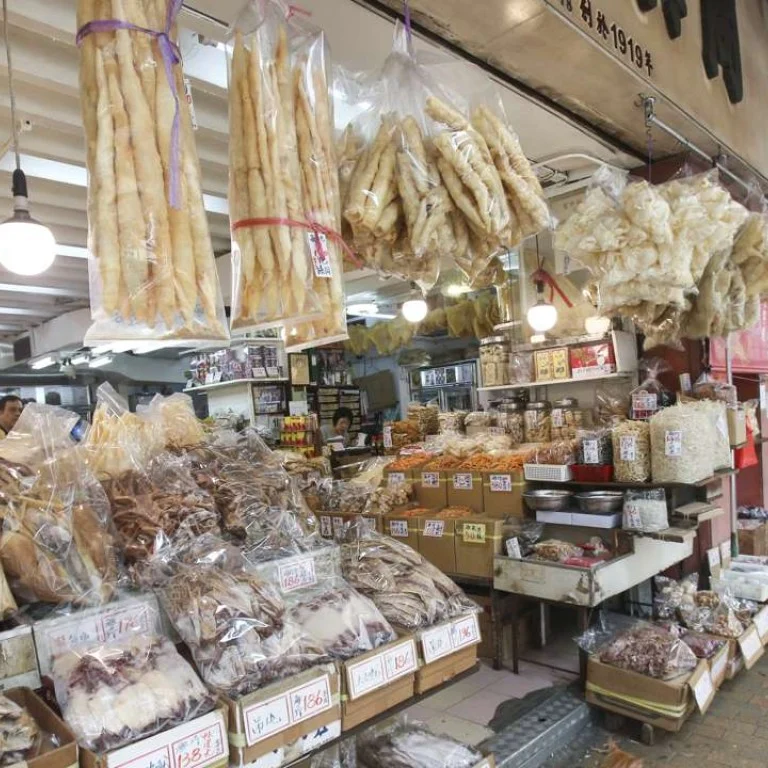
At the heart of dried seafood is the preservation technique, which typically includes sun-drying, air-drying, or smoking. Each method imparts distinct characteristics to the seafood. Sun-drying, for example, relies on natural sunlight to evaporate moisture, resulting in a product with a more robust, earthy flavor. Air-drying, a method that involves hanging seafood in well-ventilated spaces, often yields a milder taste, while smoking introduces a smoky aroma that enhances the seafood’s complexity. These processes not only extend the seafood’s longevity but also enrich its taste profile, making it a versatile ingredient in various cuisines.
The variety of dried seafood products is astonishing, ranging from salted cod to dried anchovies and calamari. In Spain, “bacalao” (salted cod) is a staple in many traditional dishes, revered for its rich, savory flavor and firm texture. In contrast, Asian markets often showcase dried shrimp and squid, which are integral to dishes like stir-fries and soups. Each type of dried seafood carries with it a unique history and cultural significance, reflecting the diverse ways in which different societies have adapted this preservation method to their culinary traditions.
Beyond their flavor and preservation benefits, dried seafood products offer practical advantages in modern cooking. Their long shelf life makes them ideal for stocking pantries and ensures a ready supply of high-quality protein. Additionally, the intense flavors of dried seafood can enhance a wide range of dishes, providing depth and complexity to soups, stews, and sauces. Chefs and home cooks alike appreciate the convenience and versatility of dried seafood, which can often be rehydrated or used in its dried form to create rich, flavorful meals.
In conclusion, dried seafood stands as a testament to human ingenuity and culinary tradition. Its enduring presence in kitchens around the globe highlights its significance not only as a method of preservation but also as a cherished ingredient that elevates dishes with its concentrated flavors. As we continue to explore and appreciate diverse culinary practices, dried seafood remains a fascinating and flavorful reminder of our rich gastronomic heritage.