In the modern workplace, Human Resource (HR) systems have evolved from traditional administrative tools into sophisticated platforms that drive business efficiency and improve employee satisfaction. These systems play a pivotal role in automating a variety of HR functions, including recruitment, payroll management, employee performance tracking, and benefits administration. By streamlining these processes, HR systems enable organizations to manage their workforce more effectively, reduce operational costs, and foster a more sap malaysiaengaged and productive environment. As businesses continue to embrace digital transformation, implementing a cutting-edge HR system has become essential for success.
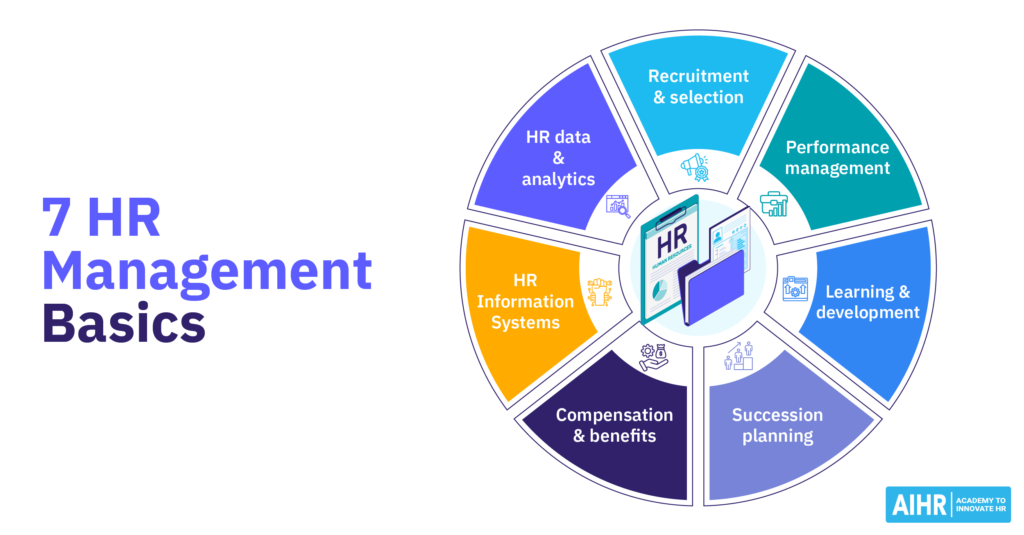
One of the primary advantages of HR systems is their ability to automate routine and repetitive administrative tasks. Processes such as payroll calculations, time tracking, and attendance management can be automated, reducing the workload of HR personnel. Automation not only ensures greater accuracy but also speeds up these tasks, allowing HR professionals to dedicate more time to strategic initiatives like employee development, succession planning, and organizational growth. This shift from manual to automated processes also helps minimize human errors, ensuring that employees receive accurate compensation and benefits, and that administrative tasks are completed on time.
Beyond streamlining administrative functions, HR systems also enhance employee engagement by offering self-service portals. These portals give employees direct access to their personal information, pay stubs, leave balances, and benefits options. With these tools, employees can independently manage their HR-related needs, reducing the dependency on HR staff for routine tasks. The convenience of having such resources readily available not only improves the overall employee experience but also contributes to higher job satisfaction and retention. Furthermore, HR systems with integrated performance management features allow organizations to track employee goals, offer real-time feedback, and create personalized development plans, fostering a culture of continuous growth and improvement.
Another critical benefit of HR systems is their ability to ensure compliance with ever-changing labor laws and data protection regulations. Navigating complex legal requirements can be challenging for businesses, particularly those operating in multiple regions or countries. Modern HR systems are equipped with built-in compliance tools that help organizations stay up to date with industry-specific regulations, tax requirements, and employee rights laws. These tools can automatically generate reports, track compliance, and alert HR teams to any potential violations. Additionally, HR systems are designed with robust data security measures to protect sensitive employee information, safeguarding it from cyber threats and unauthorized access.
In conclusion, HR systems have become indispensable tools for businesses aiming to optimize their workforce management. By automating administrative tasks, improving employee engagement, and ensuring compliance with legal regulations, these systems offer a wide range of benefits that contribute to overall business success. As the workforce continues to evolve and embrace digital tools, investing in an advanced HR system is no longer just a strategic advantage but a necessity. Organizations that leverage HR technology effectively can improve operational efficiency, enhance the employee experience, and position themselves for long-term growth in an increasingly competitive marketplace. With ongoing advancements in HR software, these systems will only continue to evolve, providing even more innovative solutions for businesses seeking to adapt and thrive in the modern world.